


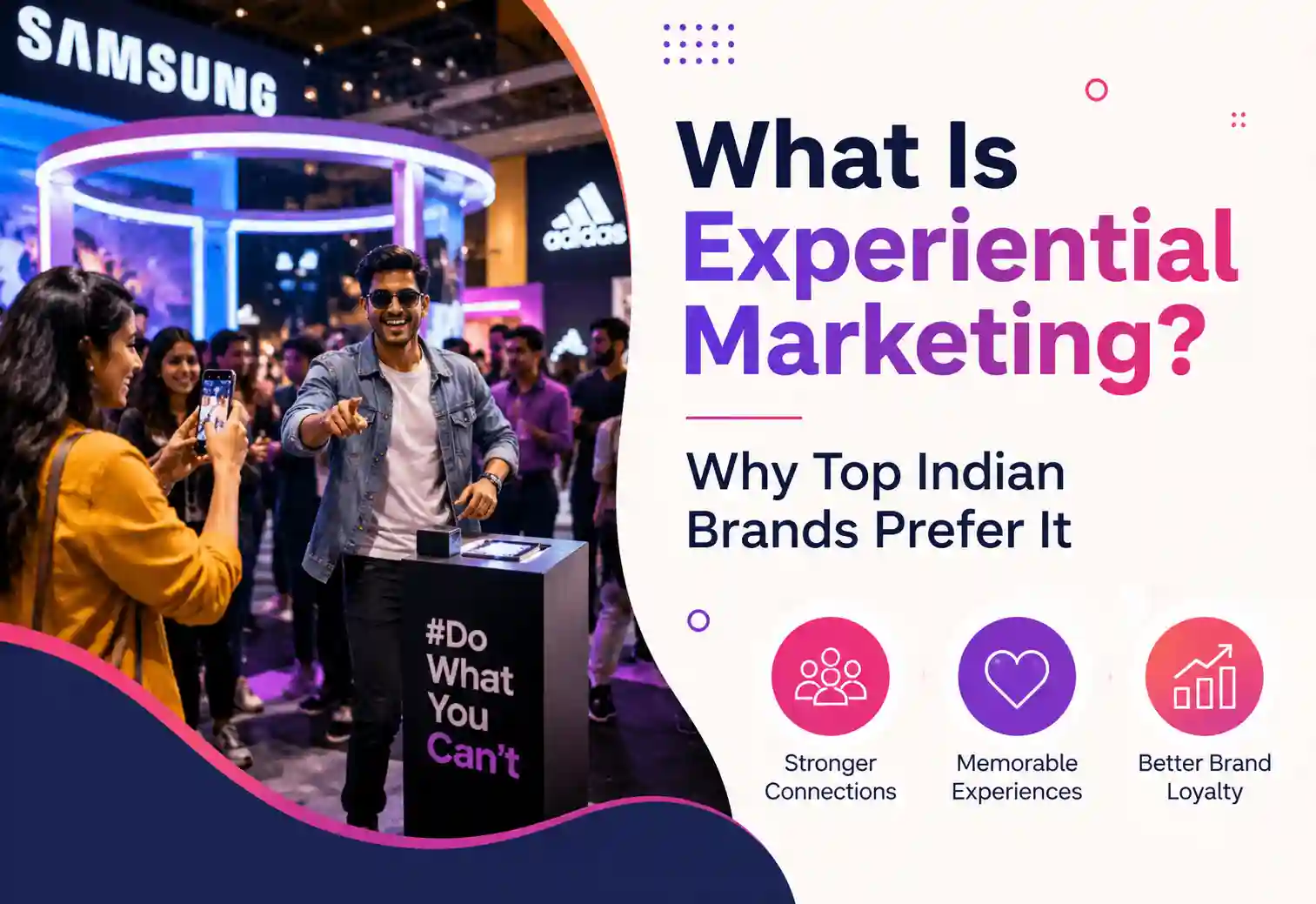
Traditional advertising works through interruption. You're watching something, and an ad appears. You're reading something, and a banner loads. The ad delivers a message whether you wanted it or not.
Experiential marketing works through invitation. It creates something people choose to enter, interact with, and remember.
The distinction matters more than ever now, because interruption advertising is becoming less effective. Ad blocking is up. Attention is fractured. Consumers, particularly in younger demographics, have developed a kind of learned immunity to brand messages delivered at them. The same message delivered through an experience they chose to participate in lands completely differently.
This is why experiential marketing is growing faster than most other marketing disciplines in India right now and why we at Swaparichay Studios have been building this capability specifically.
What Experiential Marketing Actually Means
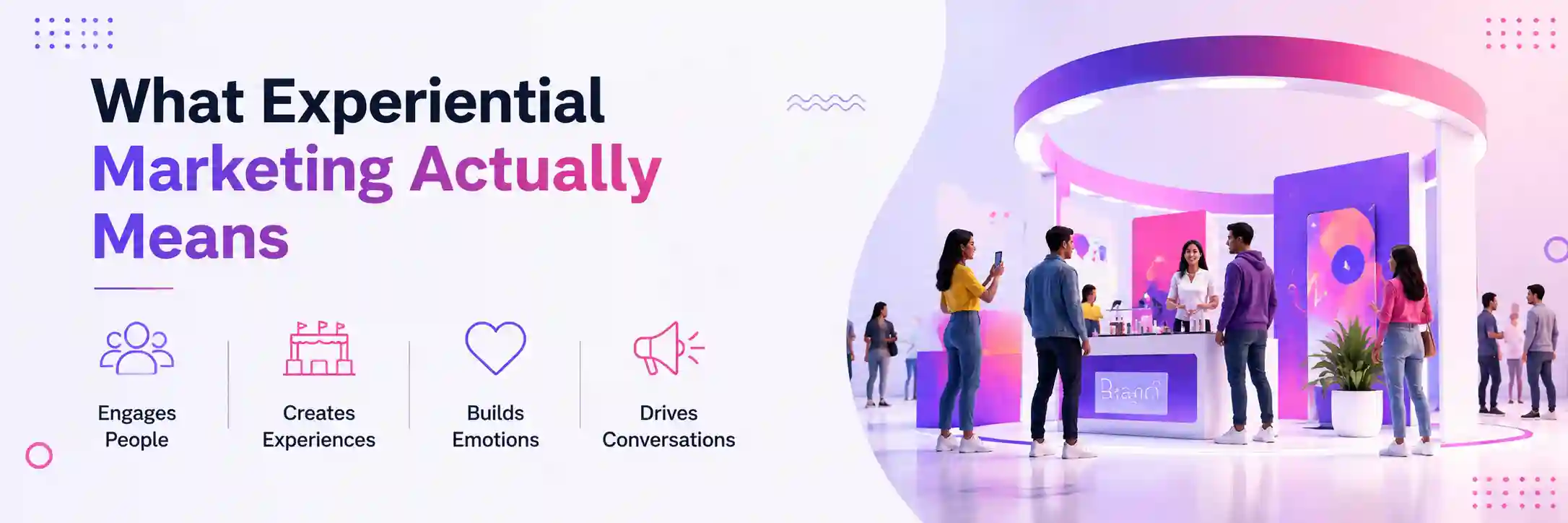
Experiential marketing (sometimes called brand experience marketing or live marketing) is any strategy that engages consumers through direct participation. The brand creates something an installation, an event, a demonstration, an environment and invites people to step inside it.
The goal isn't just awareness. It's emotional association, brand preference, and in many cases, social amplification. When someone has a genuinely good experience with a brand, they talk about it.
Why It Works
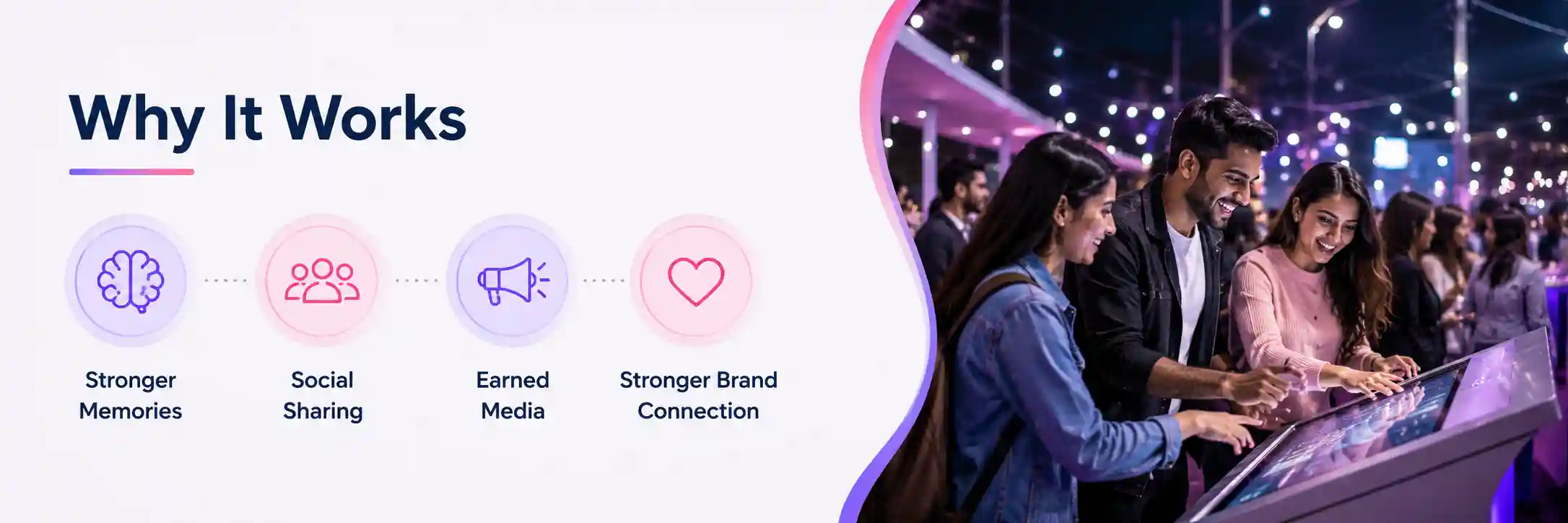
Memory formation works differently for experiences than for information. When you encounter an advertisement, the information registers and fades. When you participate in an experience especially one with sensory, emotional, or interactive elements the memory encodes more deeply and lasts longer.
There's also a social dimension. A well-designed brand experience produces content. People photograph it, share it, talk about it. The experiential moment generates earned media that extends its reach far beyond the people physically present.
For B2C brands this is obvious. For B2B brands it's less intuitive but equally true a well-designed trade show experience, a corporate event with genuine experiential elements, a client summit that creates real memories, all of these build brand preference in ways that capability presentations and brochures simply don't.
Experiential Marketing Examples From India
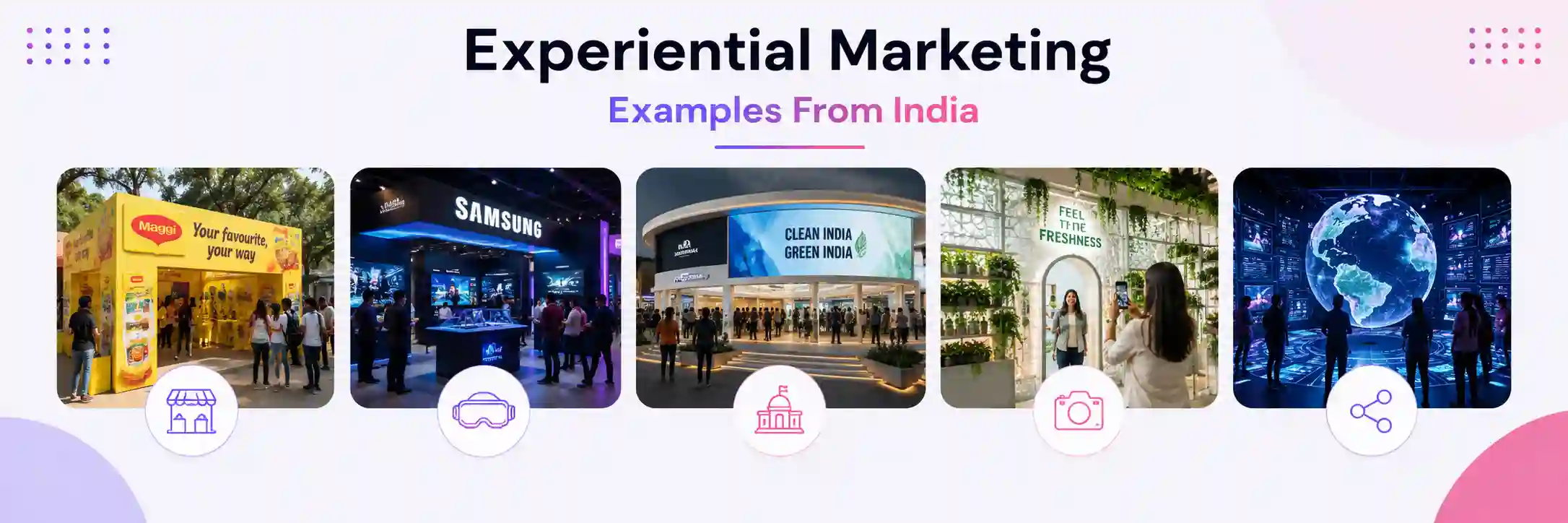
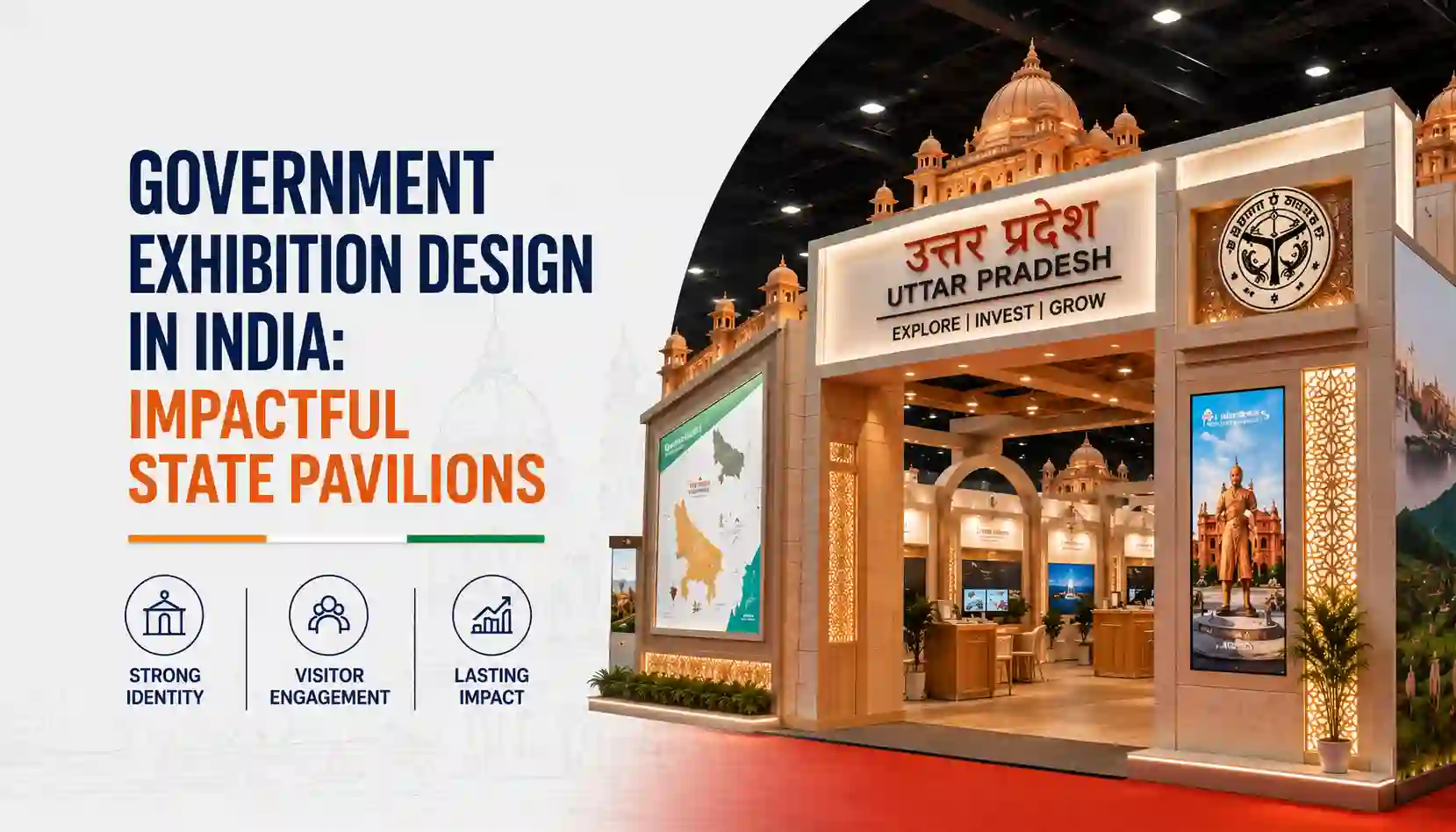
The Indian market has produced some genuinely good examples of brand experience marketing. FMCG brands running immersive product experience zones at festivals. Technology companies building interactive demonstration environments at industry conferences. Government departments creating experience pavilions at national exhibitions that make policy tangible through storytelling and spatial design.
What these share is design intent they were built to create a specific experience, not just to display information.
At Swaparichay Studios, we've designed experiential environments for corporate events, trade shows, government pavilions, and brand activations. A few things we've learned along the way:
The concept has to come before the execution. Many activations fail because the client and agency jump straight to "what do we build" without first agreeing on "what do we want someone to feel." Work out the emotional target first.
The experience needs a story arc. Entry, engagement, peak moment, takeaway. Without that arc, even an expensive installation can feel flat.
The physical and digital dimensions should connect. The best experiential work creates something people want to share, document, and carry into their online networks. Design the shareable moment deliberately.
Why Indian Brands Are Shifting Budgets Toward This
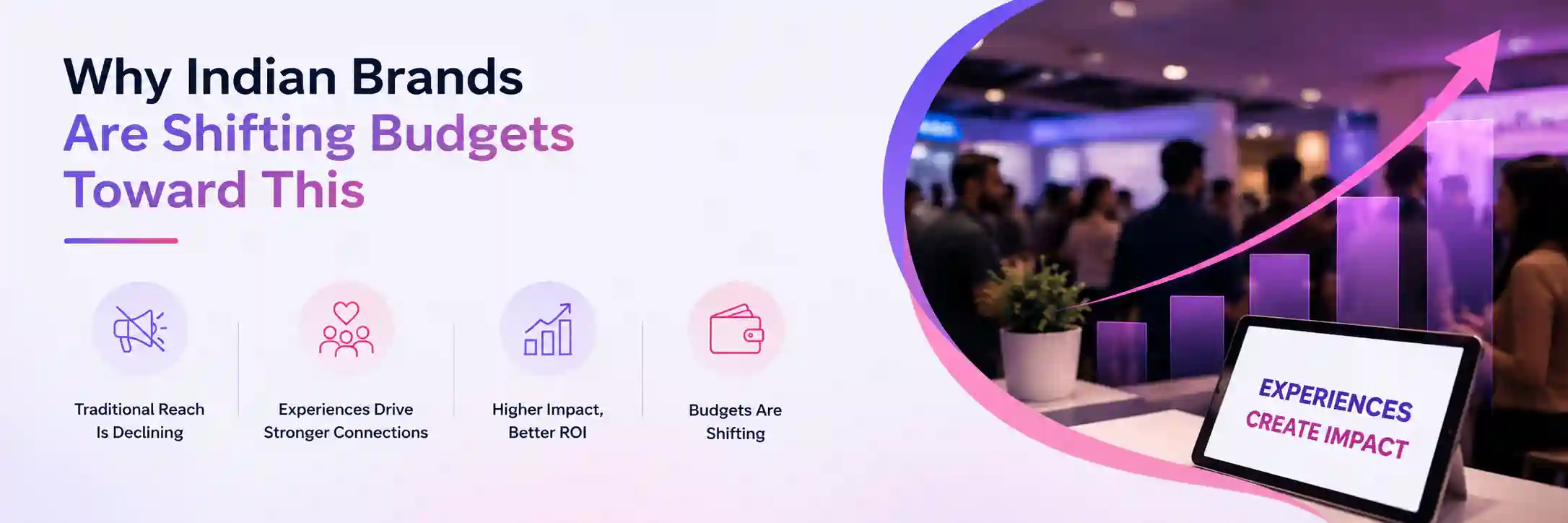
The marketing directors I talk to in India are running similar experiments: they're cutting traditional awareness advertising and reallocating toward experiences, events, and content. The logic is the same everywhere the cost-per-impression of a traditional ad has gone up while its effectiveness has gone down. The cost-per-meaningful-interaction at a well-designed live experience is often more favorable.
This doesn't mean traditional advertising is dead. It means the mix is changing, and experiences are getting a larger share of the budget.
If your brand hasn't seriously explored experiential marketing as a component of your strategy, the question worth asking is: when was the last time someone chose to spend time with our brand? Not consumed an ad chose to participate in something we created.
That's the baseline for experiential thinking.

Comments