


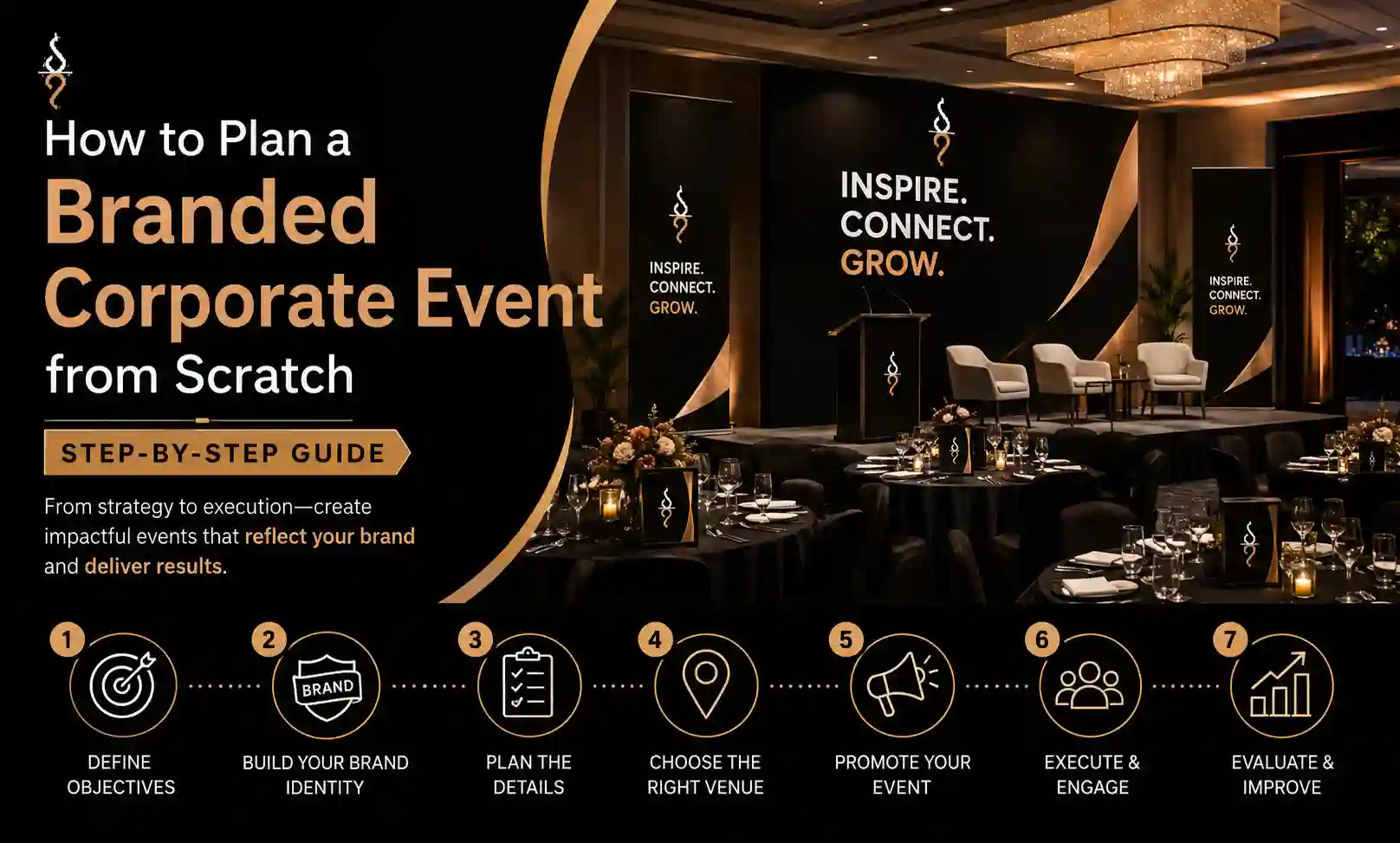
Introduction
The biggest mistake companies make when planning a corporate event is starting with the venue.
Venue first, theme second, branding last. That sequence produces events that feel generic spaces that could have been anyone's event, with the company name added as an afterthought.
Good branded corporate events work in the opposite order.
At Swaparichay Studios, we've planned and executed events ranging from 50-person leadership summits to large-scale trade show participations. The process that produces genuinely good results every time has the same structure, regardless of scale.
Step 1: Define What the Event Is Actually For
Before you book anything, answer this: what do you want people to think, feel, or do differently after this event?
Not "create brand awareness" that's too vague to act on. Something more specific: walk away understanding our new product line, feel proud to be associated with this company, connect with three prospective partners, come back next year.
This objective drives every other decision. It determines the format, the tone, the content, the spatial design, and the metrics you use to measure success.
Step 2: Build the Brand Brief First
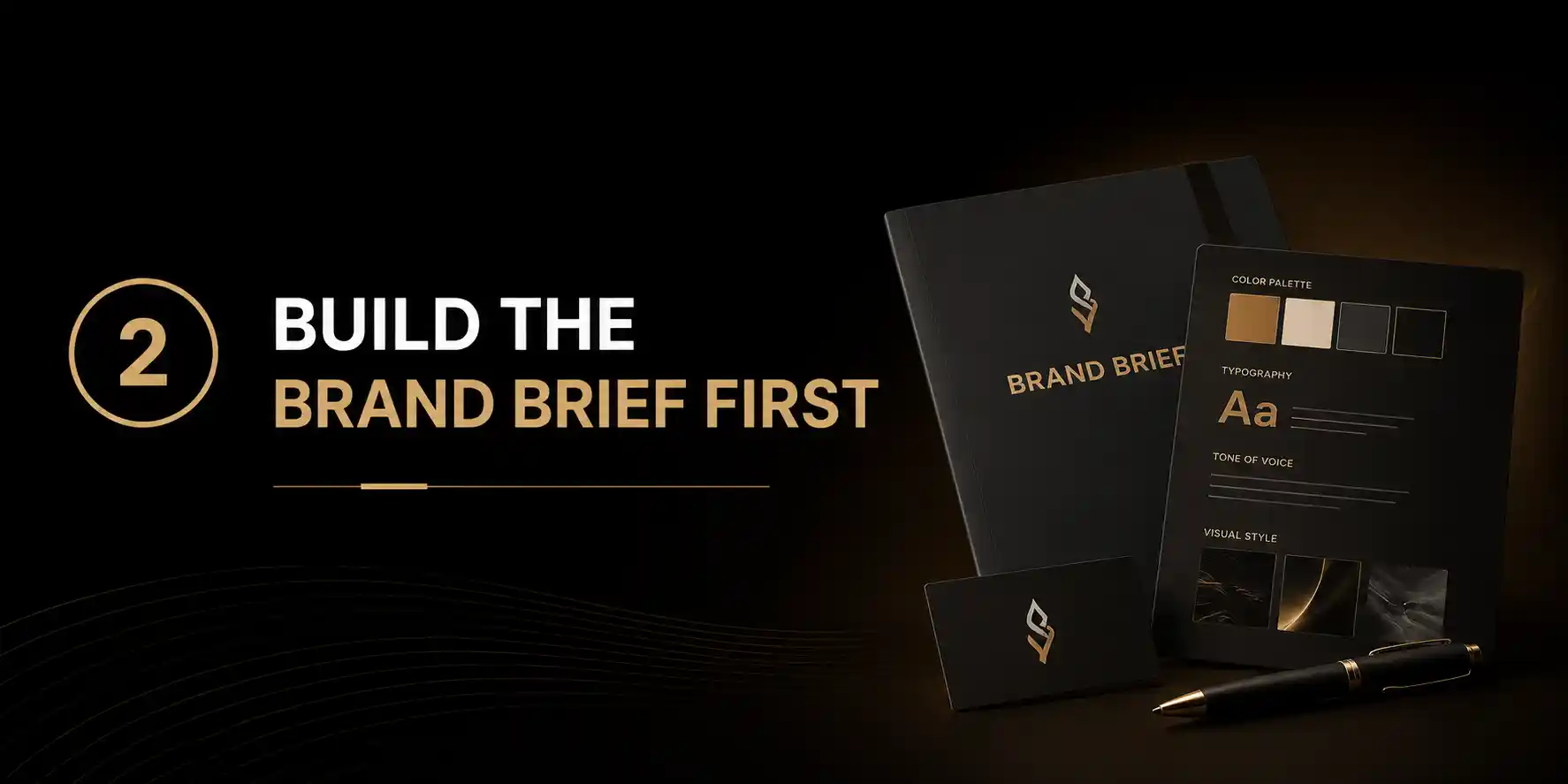
A branded corporate event needs a brand brief before it needs an event brief. What does your brand look like, feel like, sound like? What colors, what typography, what tone of voice? What visual references represent the brand well?
If your company already has solid brand guidelines, this is straightforward. If you don't and many Indian companies, especially in B2B, don't have properly developed guidelines this is the moment to establish them, even if only for the event.
At Swaparichay Studios, we often help clients develop event-specific brand expression that's consistent with their larger identity even when formal guidelines don't exist.
Step 3: Set the Budget With Proportional Thinking
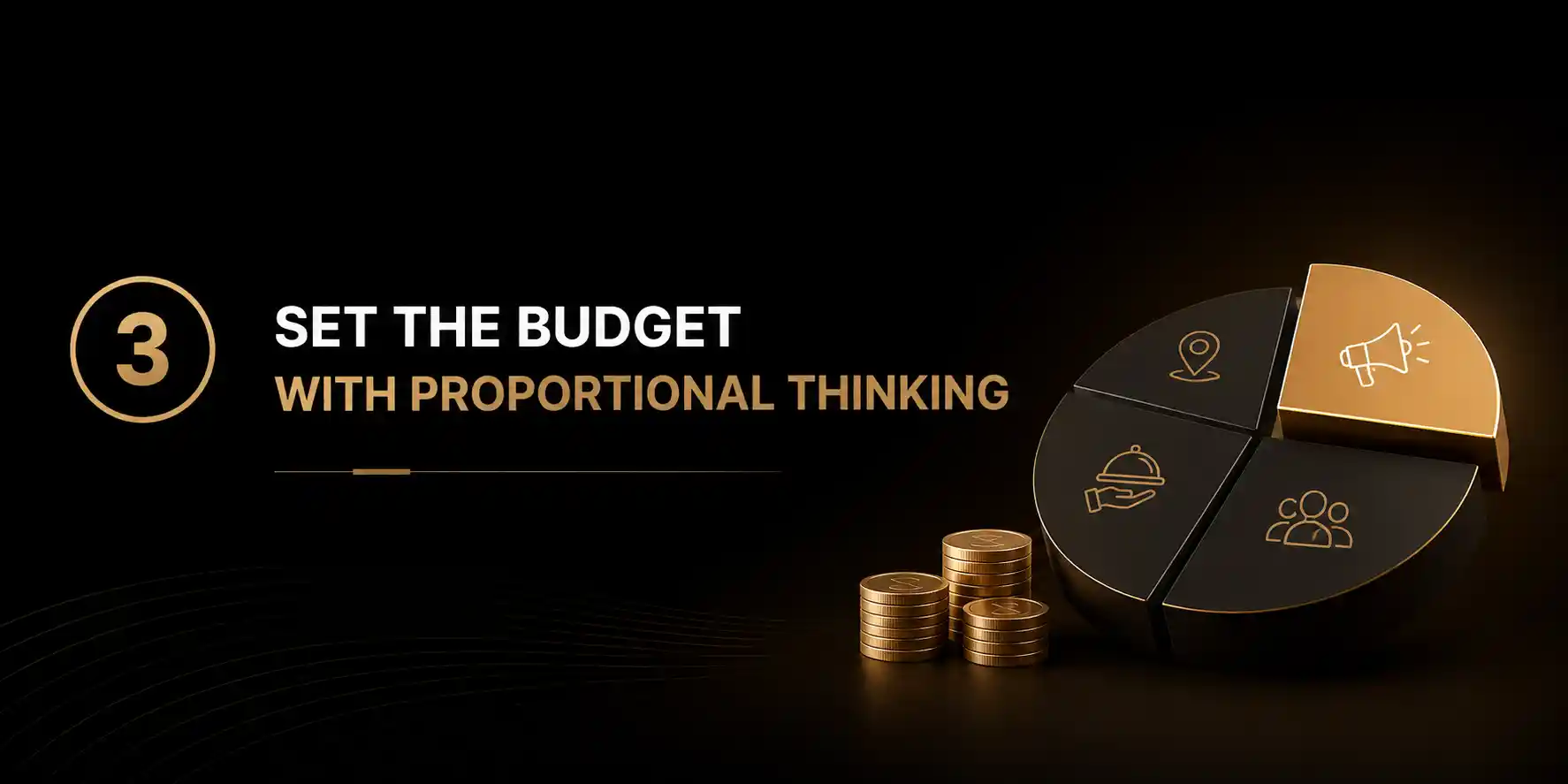
The instinct is to spend most of the budget on venue and catering, treating branding as a line item to be trimmed. Resist this.
A rough starting benchmark: allocate at least 20-25% of the event budget specifically to brand experience design, fabrication, collaterals, interactive elements. This is what people will actually remember.
Step 4: Build the Event Architecture
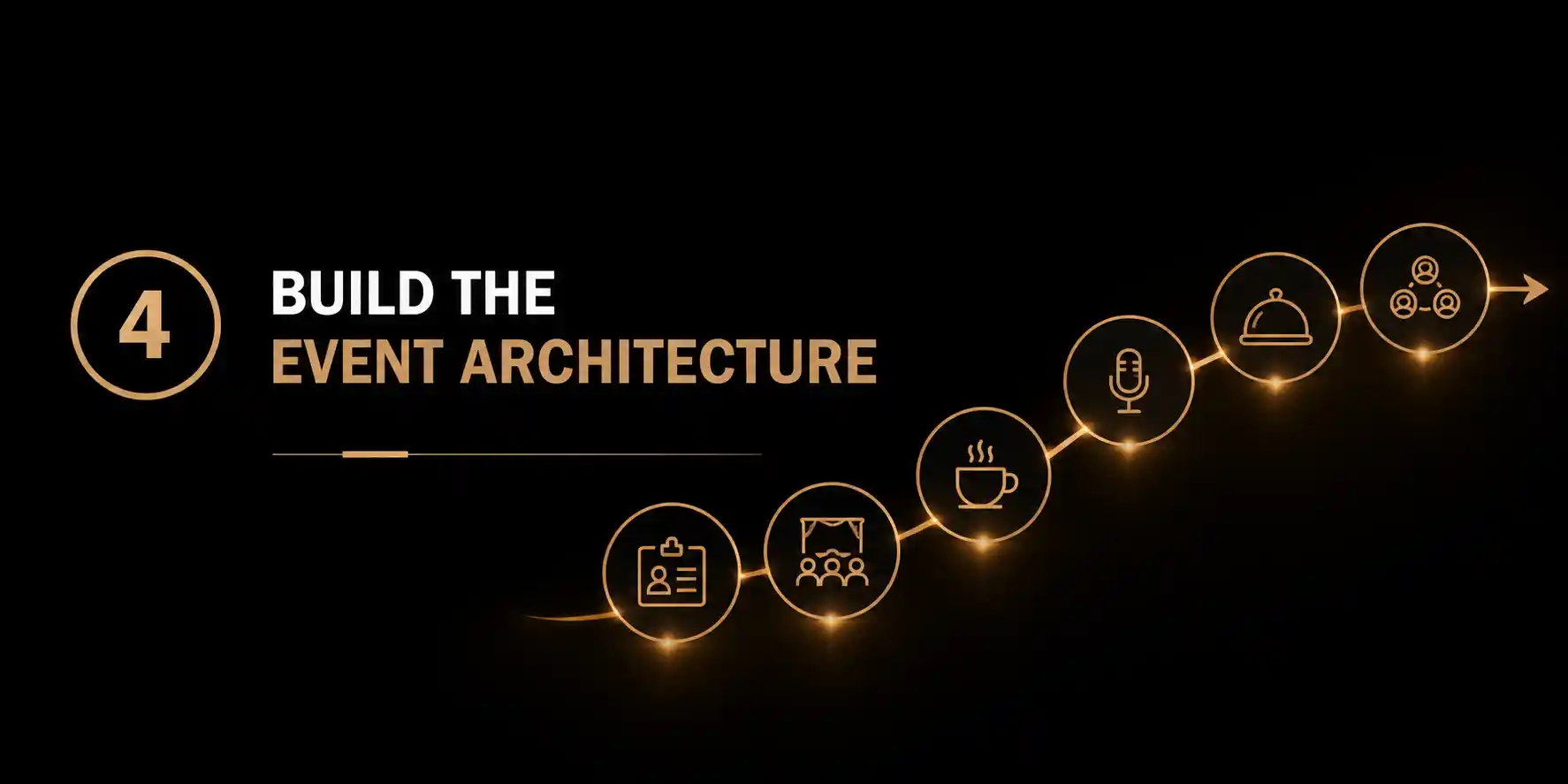
Now the structure: what's the sequence of experiences? Where does registration happen? What does someone see first when they walk in? What are the key moments keynote, product reveal, networking break, dinner? How does each moment connect to the brand story?
This isn't about the program schedule (though that matters too). It's about the journey someone takes through your event and what brand impression accumulates along the way.
Step 5: Design the Physical Environment
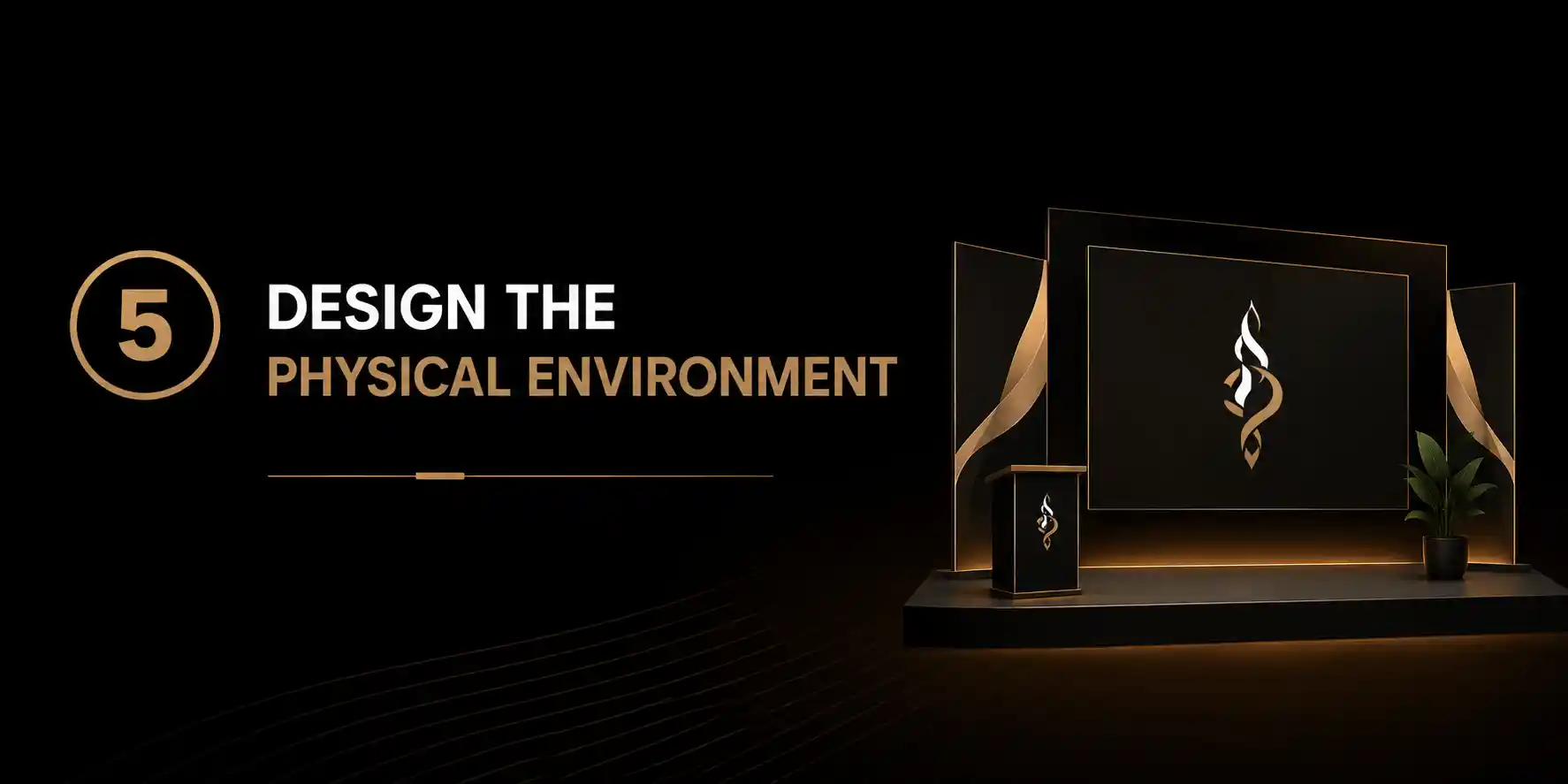
With the brand brief and the event architecture in hand, the design work begins. Stage, backdrop, wayfinding, ambient elements, seating arrangement, signage, lighting all of it should be designed as a single coherent environment, not assembled from separate vendor inputs.
This is where working with a corporate event management company that has in-house branding capability pays off. When design and logistics sit in the same team, the environment stays coherent. When they're split between a generic events vendor and a separate design agency, they often don't.
Step 6: Plan the Content and Programming
Speakers, panels, product demonstrations, awards, entertainment all of this should be curated with the brand story in mind. The best corporate events have content that reinforces why the brand matters, not content that was booked because it was available.
Step 7: Manage Vendors With a Single Point of Contact
Fabrication, AV, catering, photography, technology multiple vendors need to be coordinated. The risk is fragmentation: each vendor does their job well but the whole doesn't cohere.
Appointing a single agency as the integrating project manager, rather than coordinating multiple vendors yourself, usually produces a better result. At Swaparichay Studios, we take full project ownership from initial concept through to post-event documentation.
Step 8: Brief Your Team Thoroughly
Your staff at the event represent the brand as much as the physical design does. How they dress, what they say, how they handle questions this needs to be part of the event planning, not an afterthought. We always recommend a dedicated team briefing session before any major event.
Step 9: Measure What Matters

After the event: did you achieve the objective you set in Step 1? Gather feedback, review media coverage, count qualified conversations, track follow-up pipeline. These are more meaningful than attendance numbers alone.
Conclusion
Planning a branded corporate event isn't complicated, but it does require discipline — especially the discipline to resist starting where everyone starts (the venue) and instead begin where it actually matters (the objective and the brand).
When you get the sequence right, everything downstream becomes easier. The venue serves the brand, not the other way around. The content reinforces the story. The environment feels intentional. And the people who walk out remember not just that they attended an event, but why your brand is worth paying attention to.
That's the difference between an event that happens and an event that works.
.webp)
Comments