


Introduction
In the competitive landscape of 2026, business success is no longer just about what you sell. It is about the experiences you create. Whether it is a high-stakes product launch or a global industry conference, the execution of these moments can define your brand's future. This is where professional event management comes into play.
But what exactly is the scope of this industry, and why are businesses increasingly outsourcing this function to specialists? In this guide, we will explore the different categories, the structured planning lifecycle, and the significant benefits of professional event management for businesses.
What is Event Management?
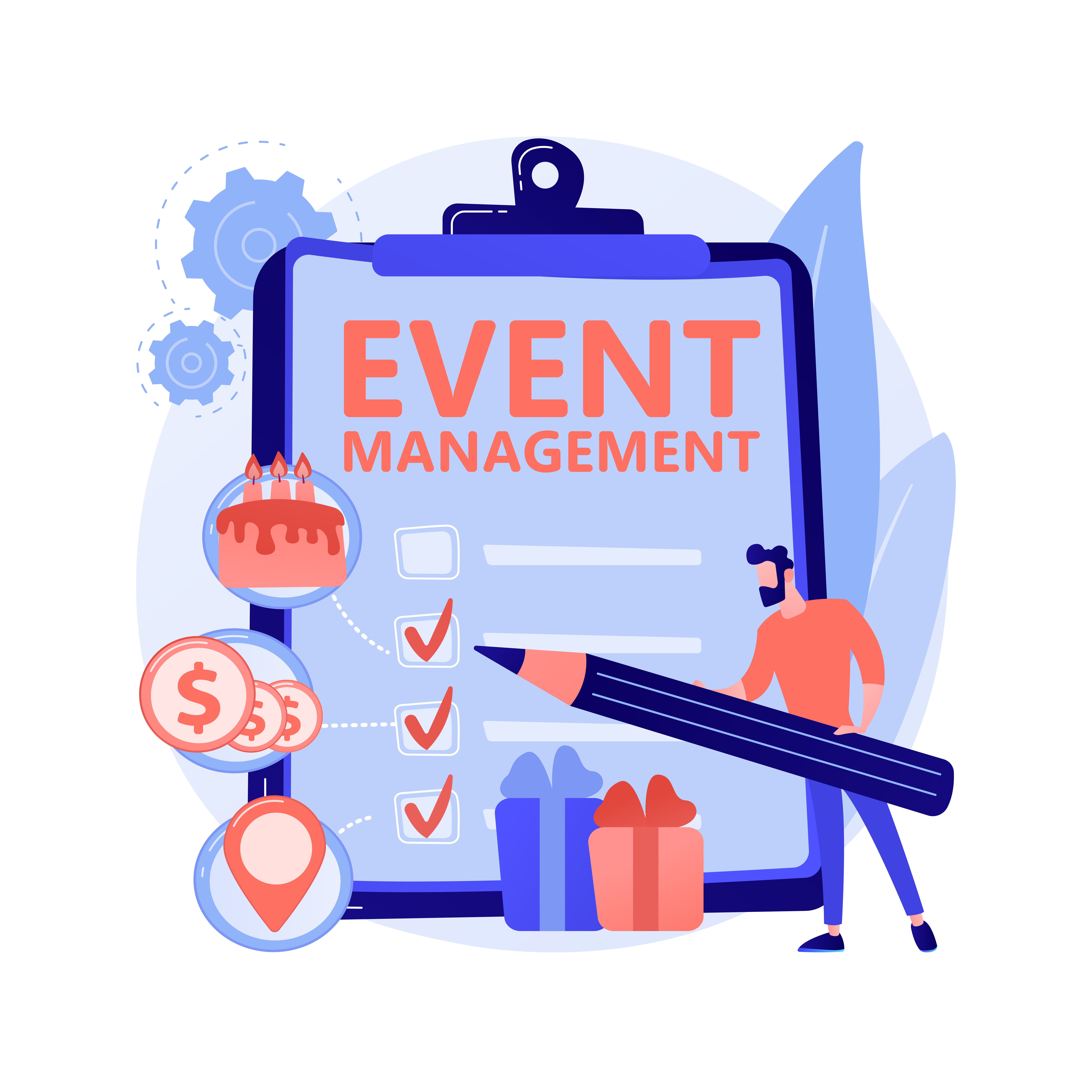
At its core, event management is the application of project management to the creation and development of large-scale events. It involves a mix of strategic planning, creative vision, and rigorous logistical coordination.
While event planning focuses on the initial components like picking a date or a menu, management covers the entire lifecycle from the first concept to the final post-event analysis. It is the engine room that ensures thousands of moving parts work in perfect harmony.
4 Main Types of Event Management Services
Depending on your goals, you might require different specializations. Most experts categorize their services into these four primary areas:
1. Corporate Event Management
This is the most common type for businesses. It includes:
Conferences and Seminars: Focused on education and networking.
Trade Shows and Expos: Designed for brand visibility and lead generation.
Product Launches: High-impact events aimed at creating market buzz.
Team Building Retreats: Focused on internal culture and employee engagement.
2. Social and Private Events
While often personal, many businesses use social events for high-level networking.
Award Ceremonies: Celebrating industry achievements or internal milestones.
Gala Dinners: Formal events often used for fundraising or high-stakes client hospitality.
3. Experiential Brand Activations
In the age of social media, brands need moments that people want to share. These events are immersive, allowing customers to interact with a product in a physical space, often using interactive installations.
4. Hybrid and Virtual Events
The ability to host events that bridge the gap between physical and digital is essential. This involves specialized tech setups to ensure a seamless experience for both on-site and remote attendees.
The 5-Step Event Management Process
Professional planners do not rely on luck. They follow a battle-tested framework to ensure nothing falls through the cracks.
Step 1: Discovery and Goal Setting
Before booking a venue, you must define the purpose.
What is the primary objective like leads, sales, or morale?
Who is the target audience?
What does success look like in terms of data?
Step 2: Strategic Budgeting
A realistic budget is the backbone of any event. Professionals recommend allocating a 10% to 15% buffer for unexpected costs. This phase involves cost estimation for venues, catering, technology, and marketing.
Step 3: Logistics and Vendor Coordination
This is where the heavy lifting happens. It includes:
Venue Sourcing: Finding a location that matches the brand style.
Tech Integration: Securing high-quality audio-visual equipment and event apps.
Catering and Decor: Aligning the look and feel with the event theme.
Step 4: Live Event Execution
On the day of the event, the manager oversees the run sheet, which is a minute-by-minute schedule of every activity. They handle crisis management behind the scenes so the audience never notices any glitches.
Step 5: Post-Event Evaluation
The job is not done when the guests leave. A professional team collects data, analyzes attendee feedback, and calculates the return on investment to improve future projects.
Top Business Benefits of Professional Event Management
Why should you hire a specialist instead of doing it in-house? Here are the most significant advantages for modern organizations:
1. Time and Stress Savings
Planning a corporate event can take dozens of hours. Outsourcing this allows your internal team to focus on their actual roles while experts handle the spreadsheets and vendor negotiations.
2. Cost Efficiency and Better Negotiating Power
Experienced companies have established relationships with venues and caterers. They can often secure insider rates and discounts that are unavailable to the general public, saving you more than their actual management fee.
3. Access to High-End Event Technology
From AI-driven networking apps to seamless QR code check-ins, professionals bring the latest tools to the table. This tech-first approach ensures your event feels modern and polished.
4. Risk Management and Safety
Events come with risks like fire safety, crowd control, and technical failures. Professional managers are trained to spot these hazards early and have contingency plans ready to go.
5. Enhanced Brand Reputation
A poorly executed event can hurt your brand. Professional execution ensures that your company looks organized, authoritative, and successful in the eyes of your clients and competitors.
Summary: Is Professional Event Management Worth It?
In 2026, the DIY approach to major business events is a high-risk gamble. Whether you are looking for corporate conference planning or a unique brand activation, the expertise of a professional team ensures your investment yields a measurable return.


Comments