Logo

Redefining Human Self-Reflection

Designing a physical interactive museum requires a complex balance of technology and spatial art. Emotional Wave was envisioned to simplify, streamline, and demystify deep psychological and philosophical concepts through spatial architecture. Swaparichay Studios partnered with the museum from its absolute inception — building the entire user journey from scratch through physical interior branding, motion-sensor software engineering, synchronized lighting architecture, and immersive spatial design.

About the Project

  • SERVICES
    Spatial Strategy & Layout Design, Interior Branding, Software Engineering (Raspberry Pi, Arduino), Motion-Sensor Integration, Synchronized Lighting, 3D Ceiling Murals, Kinetic Hardware Automation, Audio-Visual Control.
  • STRATEGY
    From-Scratch Experiential Engineering, Multi-Room Narrative Architecture, Real-Time Visitor Interaction Systems, Hardware Automation Workflows.
  • CLIENT
    Look & Learn Museum — Emotional Wave Exhibition

Project Overview

The Look & Learn Museum came to Swaparichay Studios with a powerful business idea but a completely blank canvas. They required a robust spatial identity capable of commanding immediate fascination, reflection, and engagement within a specialized experiential learning exhibition.

Our team took on the challenge end-to-end: handling everything from the initial pencil sketches of the room layouts and themed archways to deploying advanced microcontroller code for automated, real-time visitor interactions.

Concept, Approach & Planning

The Idea: Complete Structural Synergy

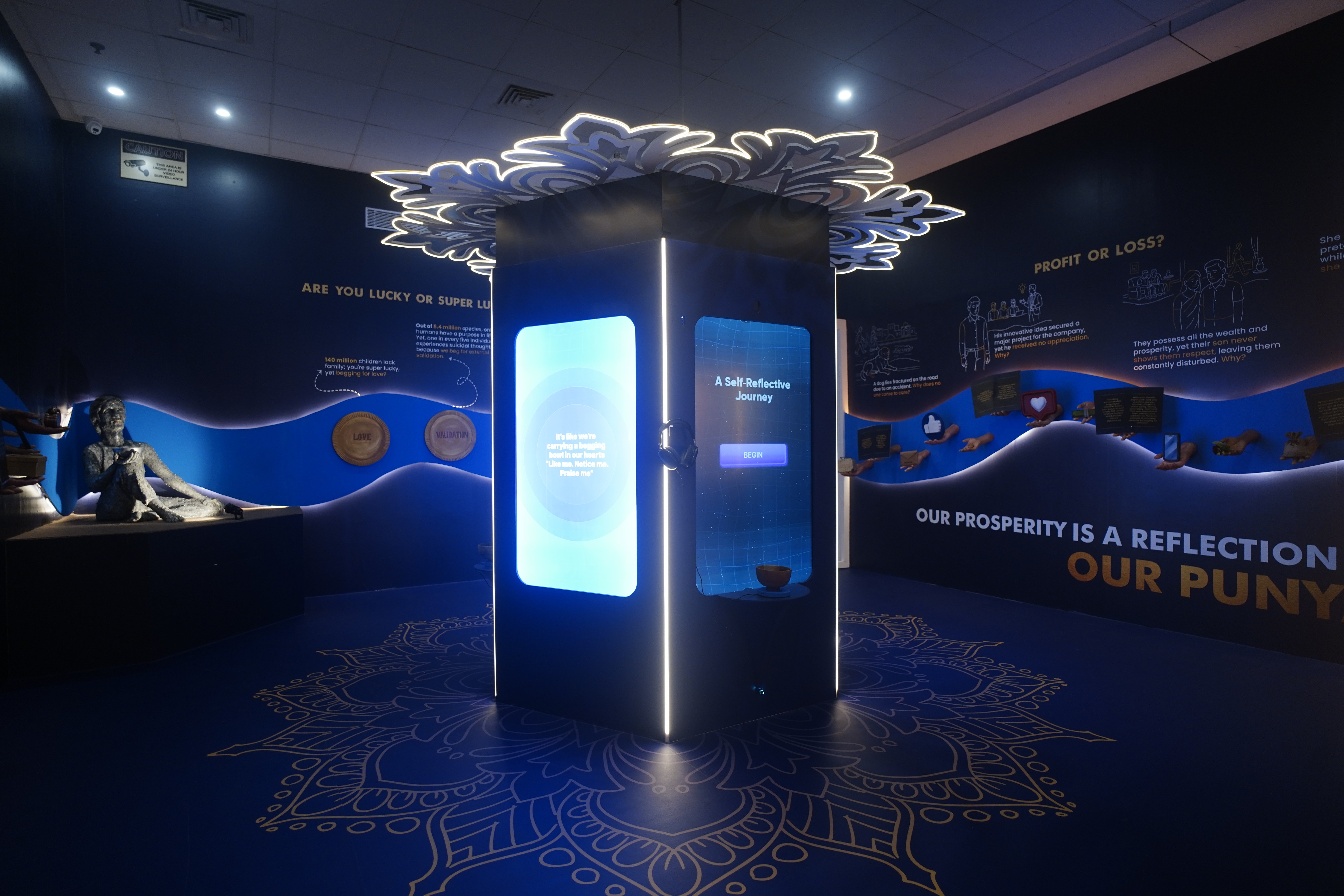
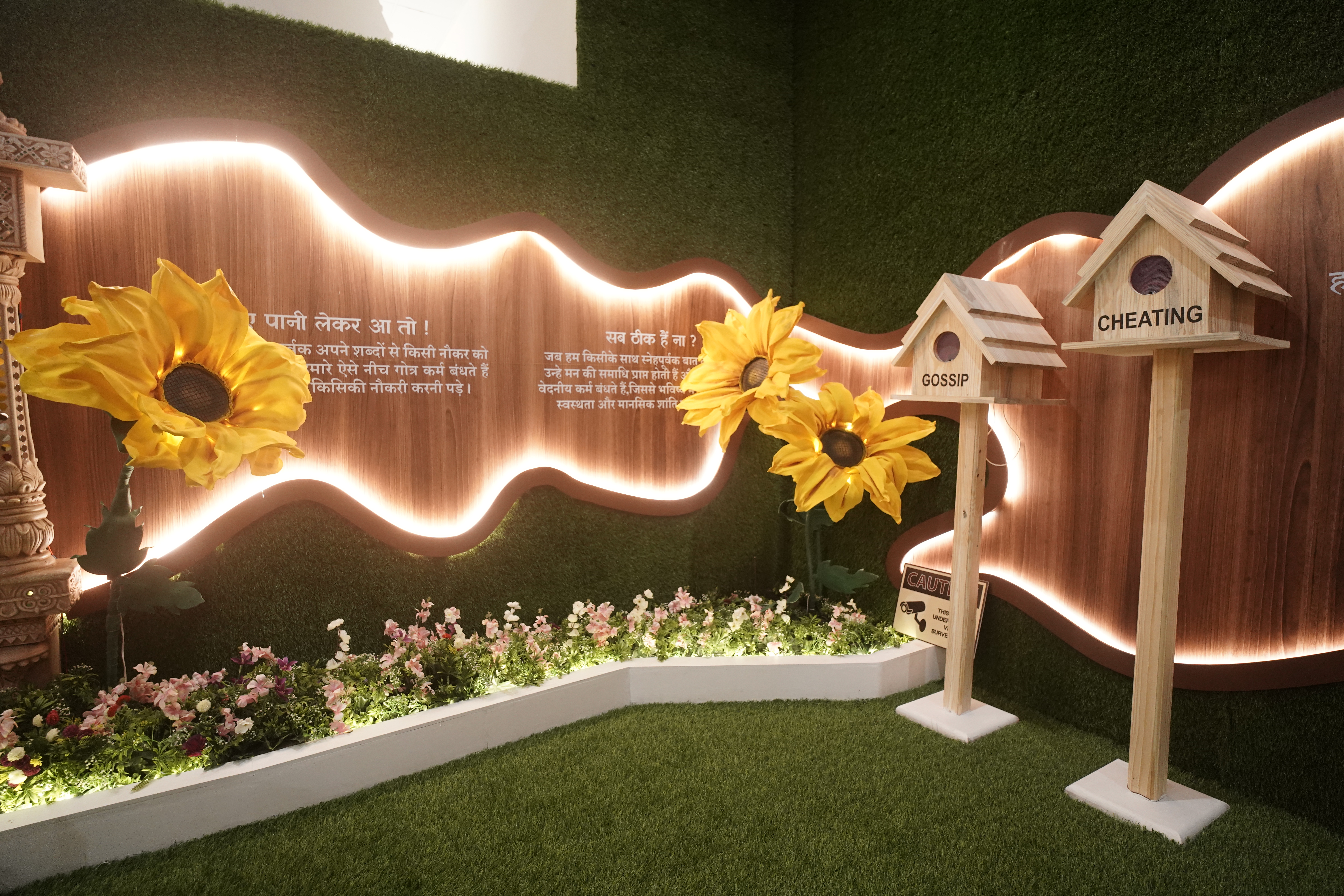
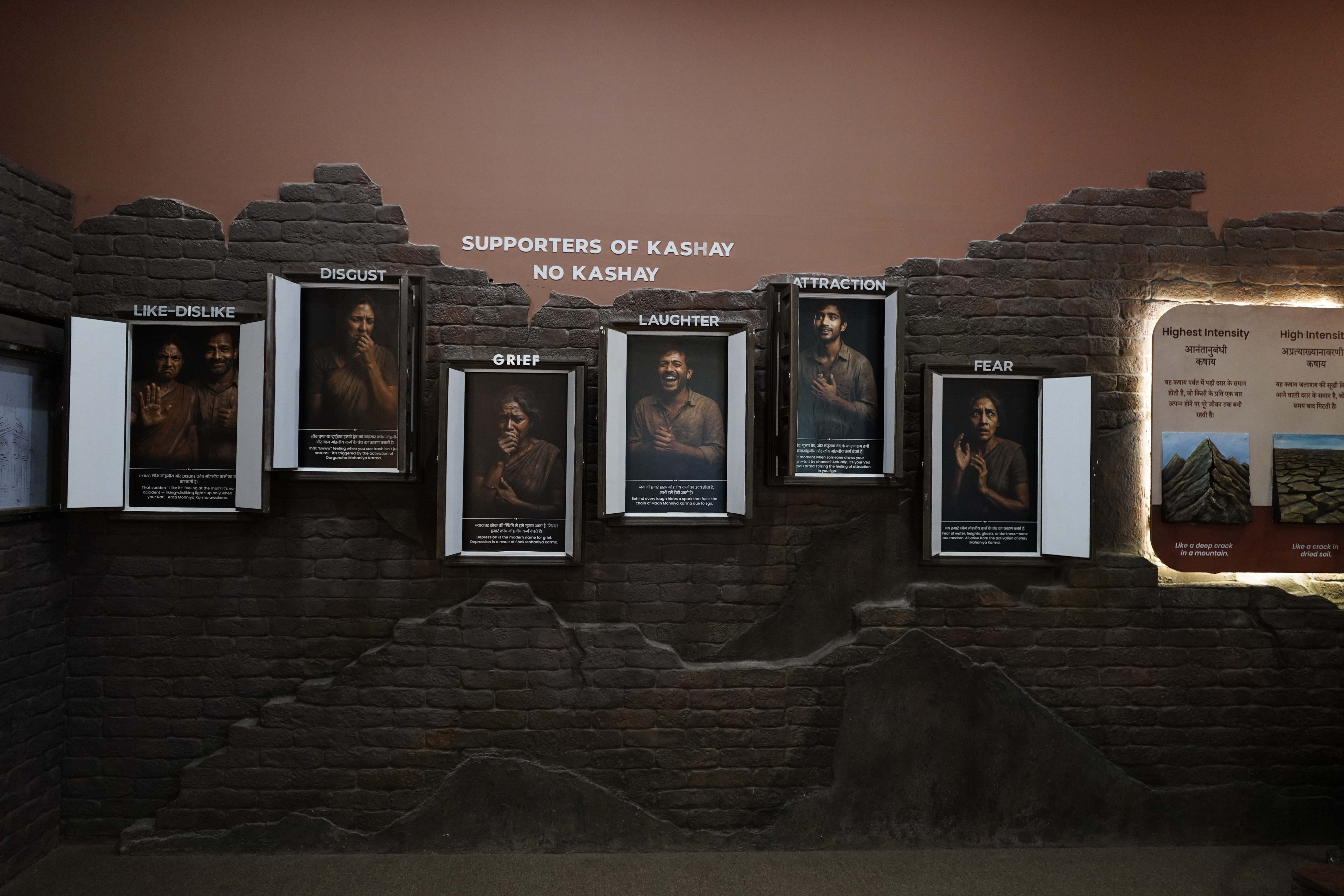
The core creative concept for the Emotional Wave exhibition centers around "Complete Structural Synergy." The name itself implies an all-encompassing, 360-degree approach to human self-reflection. To visualize this, we engineered distinct thematic rooms — ranging from the kinetic turbulence of the Attack Room to the quiet introspection of the Aura Room — directly representing structural emotional frameworks, human choices, and a clear path through complex internal landscapes.

Methodology and Approach

Because this project started from the ground up, our methodology followed a strict incubation path. We moved from deep thematic research and spatial positioning exercises into rapid environment layout design. Once the core architectural frameworks were locked, we initiated parallel development tracks: building the digital software systems (Raspberry Pi, Arduino, and depth sensors) while simultaneously designing physical components like the 3D ceiling murals and custom motorized walls.

Core Execution Pillars

Six integrated disciplines that built Emotional Wave from concept to immersive reality. Hover to explore each.
Aura Room 01
Spatial Design Aura Room
Spatial Design
Aura Room
A sanctuary of self-reflection — deep violet ambient lighting, circular symbolic motifs, and a suspended minimal installation that responds to visitor stillness via PIR sensors.
Attack Room 02
Kinetic Hardware Attack Room
Kinetic Hardware
Attack Room
A high-energy kinetic environment — deep crimson lighting, motorized pulley systems reacting to visitor speed inputs, and aggressive soundscapes triggered in real-time by Arduino controllers.
Sensor Array 03
Software Engineering Sensor Array
Software Engineering
Sensor Array
Intel RealSense depth cameras and PIR grids mapping real-time visitor body positions — firing unique lighting, audio, and projection sequences across all rooms within milliseconds of detection.
Ceiling Murals 04
Interior Architecture Ceiling Murals
Interior Architecture
Ceiling Murals
Hand-designed 3D ceiling murals mapping emotional journeys using layered typography, symbolic iconography, and painted spatial flow guides — turning overhead space into a narrative canvas.
LED Grid Logic 05
Synchronized Lighting LED Grid Logic
Synchronized Lighting
LED Grid Logic
Custom programmable LED grids running scene-matched color scripts — shifting from cold kinetic white in the Attack Room to warm amber in the Calm Room, all orchestrated by a central Raspberry Pi hub.
Reflection Zone 06
Audio-Visual Control Reflection Zone
Audio-Visual Control
Reflection Zone
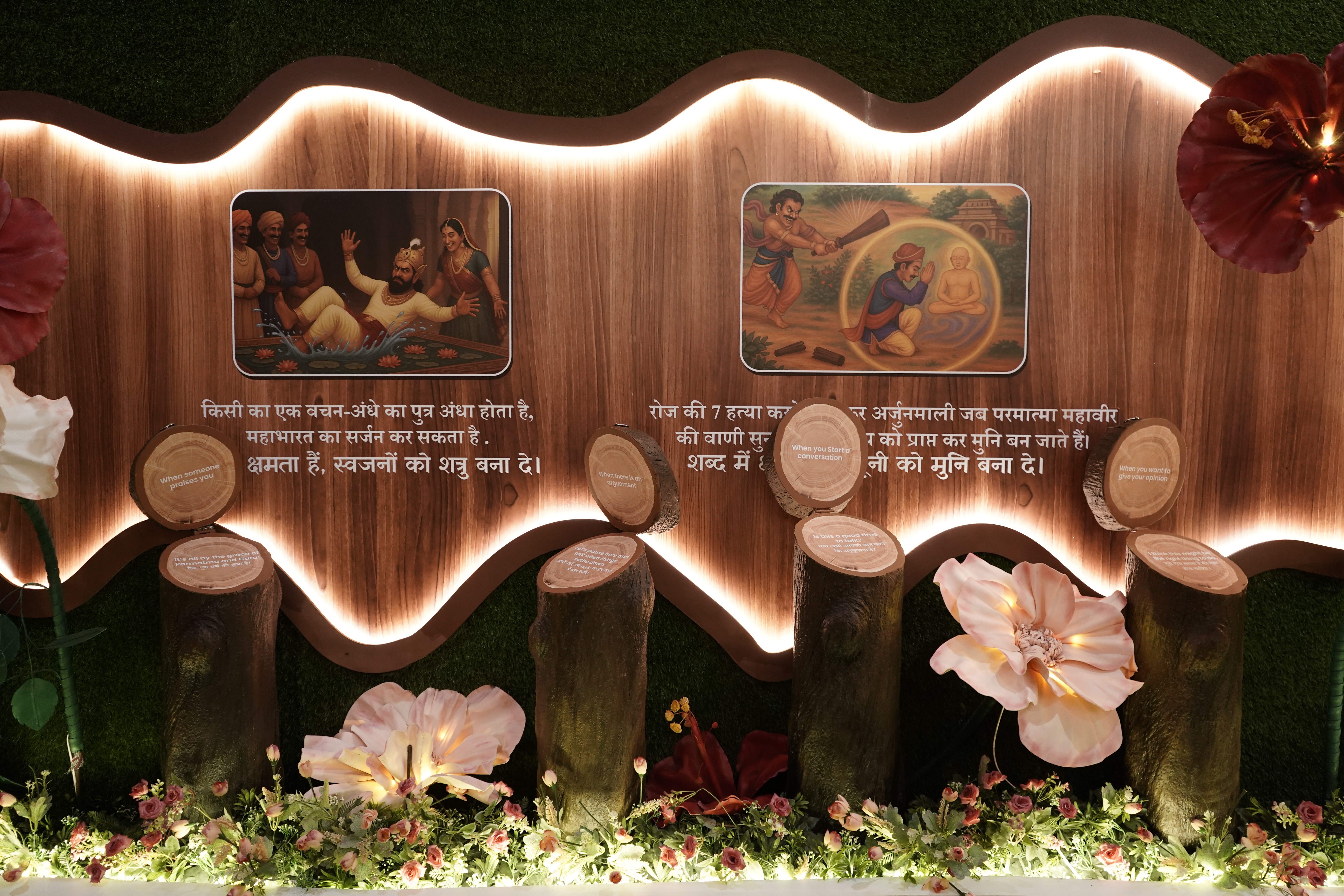
Synchronized projection mapping layered over physical surfaces — blending wall art with live digital animation based on visitor interaction data, paired with layered ambient soundscapes auto-cued on motion entry.

Workflow & Strategic Challenges

Building an authoritative experiential brand completely from scratch in a highly technical and philosophical field presented specialized strategic hurdles.

Building Resonance from Zero Familiarity

Challenge: An exhibition focusing on abstract human traits requires immediate emotional connection to capture visitors — something a brand-new space lacks on day one.

Solution: We used highly tailored spatial content as a connection builder. By focusing environmental layouts and typography purely on relatable human insight, the installation projected an immediate sense of legacy authority from its first visitor.

Simplifying Complex Psychological Frameworks

Challenge: Translating dense behavioral philosophies into crisp, engaging physical exhibits without losing thematic depth or precision.

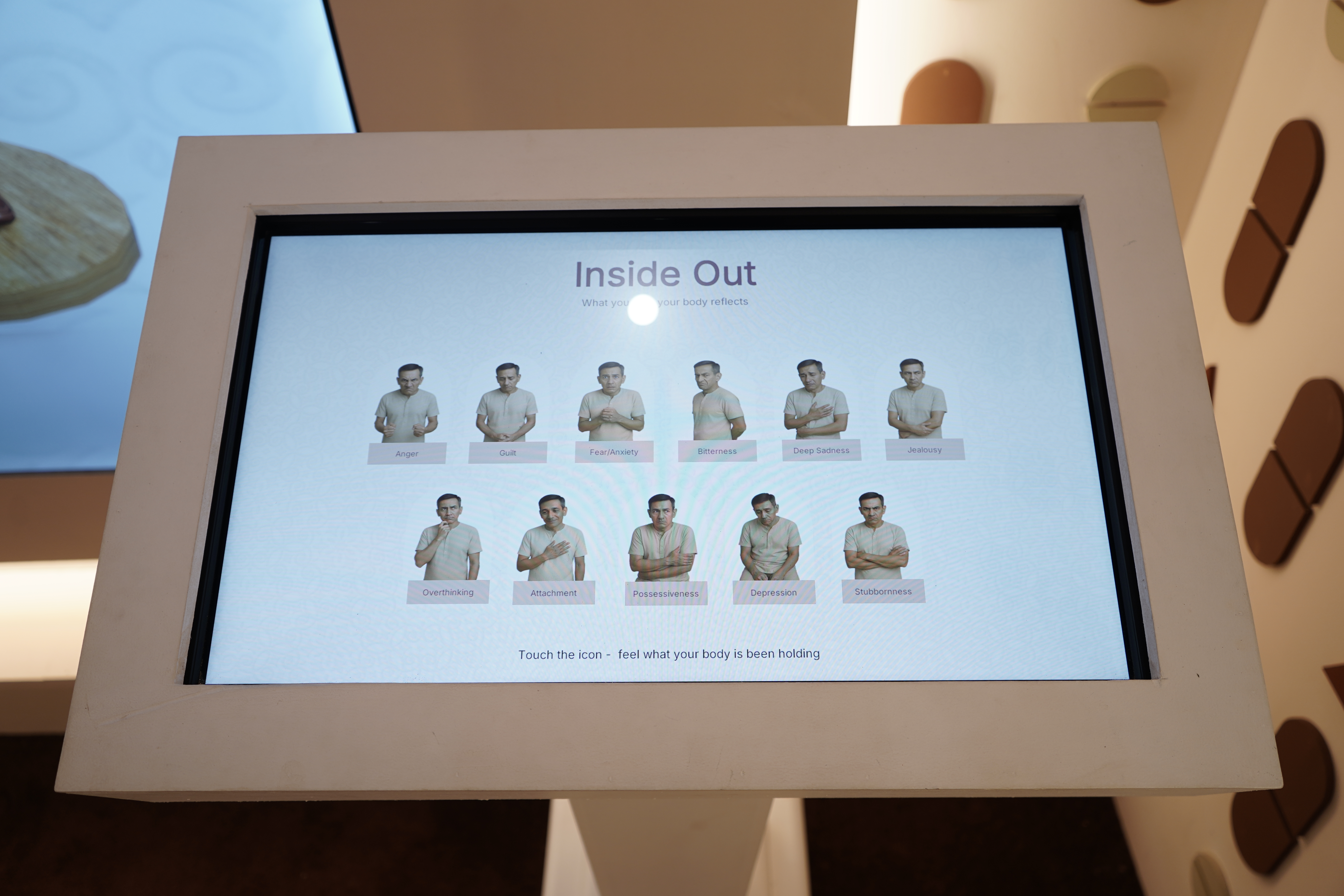
Solution: Our design and technology teams co-developed a template library system — breaking down complex concepts into bite-sized visual checklists, interactive games, and 3D kinetic diagrams that drastically improved visitor retention.

The Final Result

A Space Built to Command Fascination

The Look & Learn Museum's "Emotional Wave" exhibition launched as a premium, fully operational experiential landmark — complete with a unified spatial identity, a high-performance interactive layout, a captivating physical presence, and intelligent automated hardware setups working around the clock.

  • Full experiential identity engineered from scratch — entry portals, spatial iconography, and environment guidelines.
  • Transition-optimized layouts live with structured thematic room tracks and visitor flow paths.
  • High-frequency interactive components including projection mapping, motion tracking, and physical simulators.
  • Software automation flows triggering within seconds of a visitor stepping into an exhibit zone.
  • Custom microcontroller interfaces live — connecting human actions to sensory feedback instantly.
  • Projected legacy authority from day one through deeply insight-driven environmental execution.

Services delivered:

Spatial Strategy Layout Design Interior Branding Software Engineering Hardware Integration Motion Tracking Automation Workflows Audio-Visual Control